
Property development can be both thrilling and daunting. Planning permission is a crucial step in bringing development plans into practical reality.
In the UK, the rules and regulations surrounding planning permission are intricate and can vary significantly depending on the nature and location of the proposed development. Depending on the project being undertaken, planning permission may not be required; instead, you can build under ‘permitted development’.
Here, we provide an overview of permitted development and the types of projects that require planning permission.
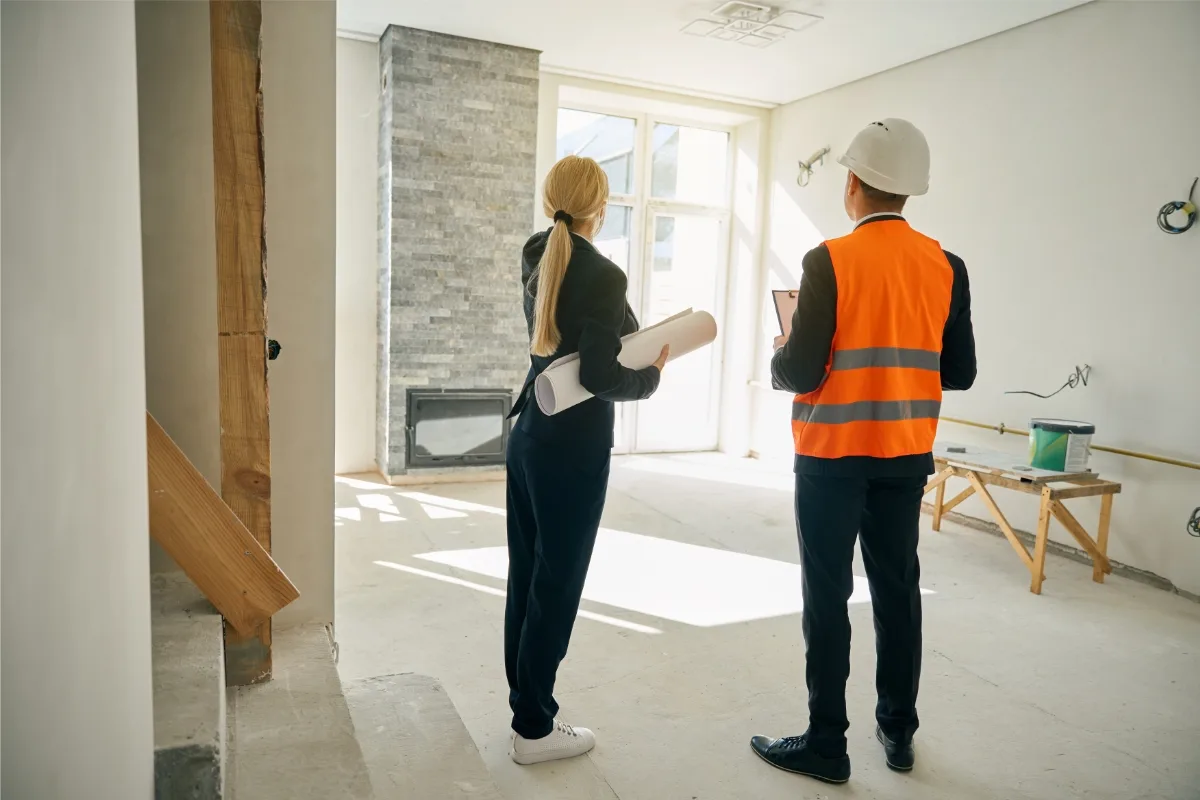
Permitted Development
Not all work requires planning permission. Permitted development rights allow householders to improve and extend their homes without applying for permission, known as implied consent. The rights are set out in the Town and Country Planning (General Permitted Development) (England) Order 2015.
These rights do not apply to flats, maisonettes, newer homes, or listed buildings. Different classes of work are specified in the order that describes the types of development that can be carried out without the need for a complete planning application, provided certain conditions and limitations are met.
For example, Class A covers alterations to a house, like rear or side extensions and windows and doors; Class B covers alterations to the roof that enlarge the house. The main classes, A to H, are detailed in the Government’s Technical Guidance. It is important to note that permitted development does not bypass other approvals and may not apply in some circumstances.
Lawful Development Certificate
If you are considering using permitted development, you may wish to apply for a Lawful Development Certificate (LDC). It is an official document that confirms a proposed or existing development is lawful and does not require planning permission. This is especially useful when selling your property in the future, as it will leave no doubt that your work was compliant with planning permission laws. To apply for an LDC, you can use the planning portal.
Prior Approval
Prior approval is necessary for some types of permitted development, and an application must be submitted to your local planning authority. You will be issued a Lawful Development Certificate if there are no objections or restrictions.

Planning Permission
When planning permission is required, for example, for new houses or extensive alterations to an existing property, you must apply to your local planning authority. Applications can be submitted through:
- Planning Portal for development in England and Wales,
- eplanning for Scotland,
- Planning Portal for Northern Ireland
You will need to submit the relevant details, plans (site plan and location plan, as examples), and drawings, as well as include supporting documents. Before applying, it is beneficial to seek planning permission advice on whether permission is required, the likelihood of approval and potential issues.
Your application will be assessed to ensure your proposed development aligns with national guidance and local planning policies. The impact on the local area, infrastructure, environment and neighbours will also be considered.
The Decision
The outcome of a household planning application should be expected within eight weeks, but it can take longer in some instances. Once a decision has been made, you will find out if the application has been successful, rejected or successful but with conditions attached to the planning consent for the development.
If your application has been refused and you still wish to proceed, you must amend your plans and resubmit it. You and your adviser can appeal the decision if you believe it should have been successful.

Sandy has worked within architecture since 1991 and, as Director of DJS Architectural Services Ltd, has been providing architectural services to numerous clients throughout the region since 1998.
Sandy will personally deal with your project from inception through to the completion of approvals with the support of Justine, who manages the administration side of each project. This ensures you receive a personal and professional service throughout the process.
Sandy prides himself on building strong and lasting customer relationships, and you can rest assured you will receive the attentiveness your project deserves at all times. He endeavours to keep you up-to-date at every stage of the project, ensuring you are aware of the next steps.